Skip to content

If you have ever looked in the mirror and thought, “When did my face start looking a little more tired than I feel?” you are not alone. Aging is normal, but it can still catch you off guard. Volume shifts, hydration changes, and fine lines tend to show up gradually, and sometimes all at once.
At Kor Medspa, our approach to Facial Fillers in Wyomissing, PA, is about subtle, thoughtful improvements that still look like you. Fillers can help soften lines, restore lost fullness, and bring balance to features, often with results you can see right away and little to no downtime.
What facial fillers actually do
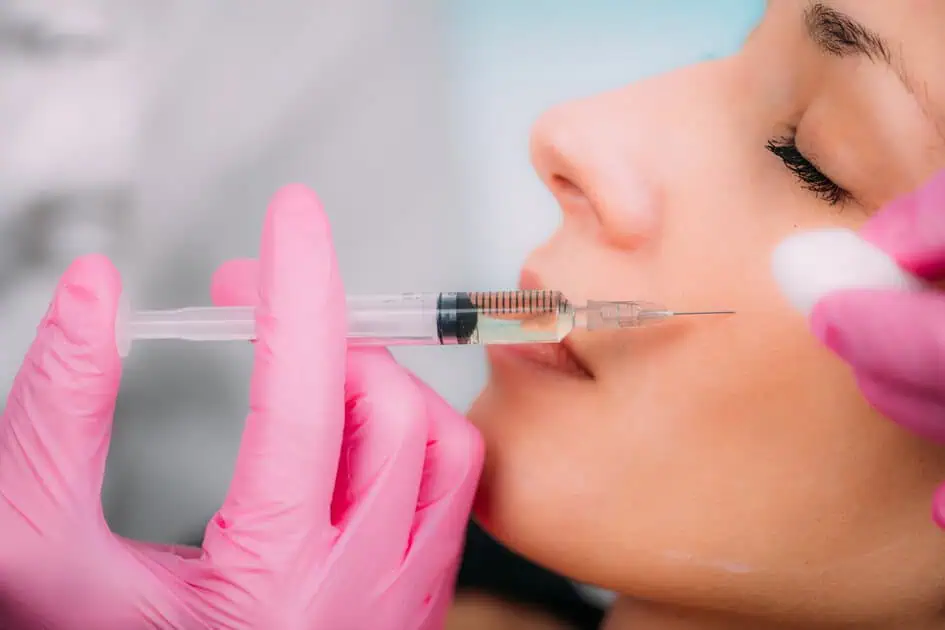
Dermal fillers are injectable treatments designed to add volume, improve hydration, & support facial structure in targeted areas. Many fillers are made with hyaluronic acid, a substance your body already produces & uses to retain moisture. When placed strategically, filler can help smooth creases, plump areas that have thinned out, and improve overall facial balance.
Facial fillers in your 20s: prevention, balance, & confidence
Your 20s are usually more about refinement than correction. You may not have deep wrinkles yet, but you might notice early signs of fine lines, mild under-eye hollowness, or features that look slightly unbalanced in photos. For some people, their lips feel thinner than they want, or their chin profile does not match the rest of their face.
In this decade, filler is often used to:
- Add subtle lip fullness while keeping a natural shape
- Create balance between facial features
- Address early hollows or mild volume differences
- Support profile goals with chin fillers
Facial fillers in your 30s: the first real signs of volume shift
For many people, the 30s are when the face begins to change in ways that skincare cannot fully address. This is often when you begin noticing that your cheeks feel slightly flatter, smile lines linger longer, or the under-eye area looks more shadowed even after a good night’s sleep.
This is also when facial fillers for volume loss become a common goal. Volume loss is not just about looking older. It can make you look tired, drawn, or less “bright” than you feel.
In your 30s, filler may be used to:
- Support the midface and cheeks to maintain lift
- Soften lines around the nose and mouth
- Improve under-eye hollowness in appropriate candidates
- Maintain lip shape and hydration
- Address early facial fillers for wrinkles concerns without changing your expressions.
This is a great decade to focus on preserving facial structure, because small adjustments can have a noticeable impact while still looking effortless.
Facial fillers in your 40s: restoring structure & softening deeper lines
In your 40s, the changes become more structural. As collagen and elastin decline, the skin may feel less firm, and volume loss can become more obvious around the cheeks, temples, and jawline. Lines can also deepen around the mouth, and the lower face may look heavier or less defined.
This is where facial fillers for anti-aging can be especially helpful. Instead of chasing every line, treatment works best when it supports the areas that create overall harmony. Restoring volume in the right place can soften multiple concerns at once.
Common 40s goals include:
- Cheek support to restore youthful contour
- Smoothing deeper smile lines by improving midface support
- Enhancing chin projection for better facial balance
- Improving overall lower-face definition
Depending on your needs, our providers at Kor Medspa may recommend options from the RHA® Collection, Revanesse®, JUVÉDERM®, or RADIESSE® to match your facial goals and the area being treated.
Facial fillers in your 50s and beyond
In your 50s, 60s, and beyond, fillers can still create beautiful results, especially when they are used for structure and support rather than simply “filling lines.” This is also when many people start looking for non-surgical facial rejuvenation options because they want visible improvement without the downtime of surgery.
This stage often focuses on:
- Restoring gentle cheek and midface volume
- Softening marionette lines and mouth corners
- Supporting the chin and lower face
- Improving overall facial balance and skin appearance
What matters most is the plan. A good filler strategy in this decade prioritizes natural proportions and avoids overfilling. The goal is to look refreshed and well-rested, not puffy or unfamiliar.
Choosing the best option: what matters more than the trend
You will see endless trends online, but filler results depend far more on product selection, injector technique, and your facial anatomy than on what is popular. At Kor Medspa, we use established filler brands and choose based on your goals and the area treated.
Here is the practical way to think about it:
- Some fillers are better suited for flexibility and natural facial movement, especially in expressive areas.
- Some are ideal for adding structure and support.
- Some are chosen when the goal includes a more defined contour.
That is why a consultation matters. It is not just “which syringe.” It is the plan.
And if you are specifically searching for the best facial fillers for skin, it helps to reframe that question. The “best” filler is the one that matches your tissue, your goals, and the area treated, using a product line like RHA® Collection, Revanesse®, JUVÉDERM®, or RADIESSE® appropriately.
Frequently Asked Questions
Are facial fillers safe?
Facial fillers are widely used and considered safe when administered by trained medical professionals. Like any injectable treatment, there are risks such as swelling, bruising, or unevenness. A consultation helps determine candidacy, choose the appropriate product, and develop a plan that prioritizes natural results and safety.
At what age should you start getting facial fillers?
There is no “right” age for facial fillers. Some people start in their 20s for subtle balance or lip enhancement, while others begin in their 30s or 40s when volume loss becomes noticeable. The best timing depends on your facial anatomy, goals, and comfort level.
How long do facial fillers last?
Results from facial fillers commonly last from about 6 months up to 2 years. Longevity depends on the filler type, the area treated, your metabolism, and lifestyle factors. During your consultation, you can discuss which option best matches your goals and maintenance preferences.
Can facial fillers look natural?
Yes, facial fillers can look very natural when used conservatively and strategically placed. Natural results come from using the right product, the right amount, and a plan that respects facial proportions. The goal should be to look refreshed, not like a different person.
Glow Up Your Skin
If you want a personalized plan using the RHA® Collection, Revanesse®, JUVÉDERM®, or RADIESSE® at Kor Medspa, the next step is a consultation to talk through your goals, pricing, and what “natural” means to you. Elevate Your Confidence – Book Now!