

Table of Contents
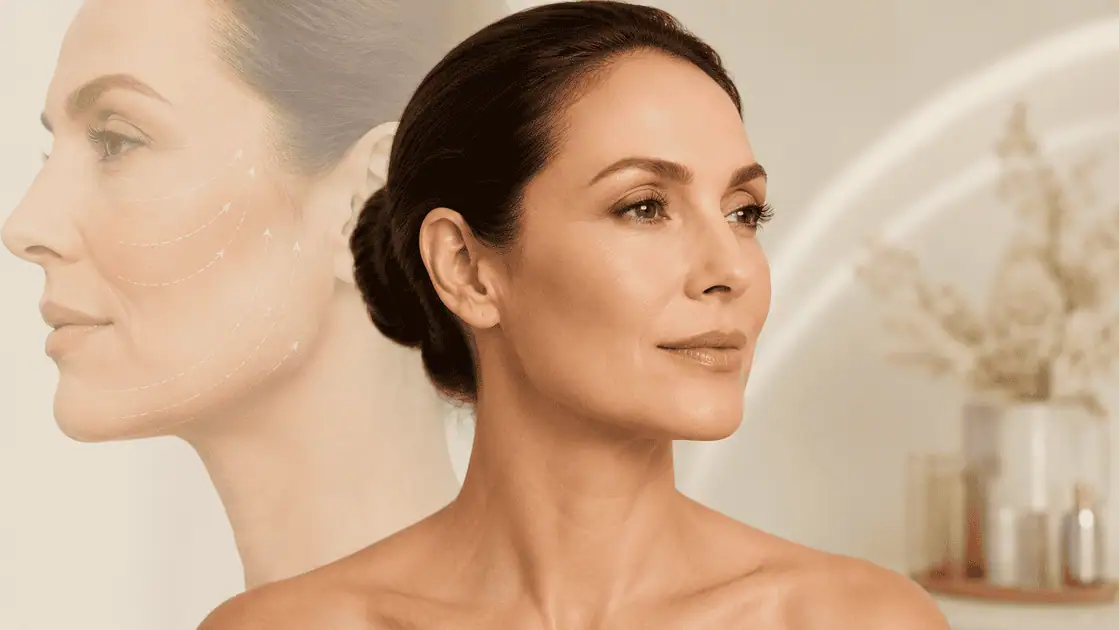
At some point, most people notice it in a photo before they notice it in the mirror. Cheeks that used to look full seem a little flatter. The area under the eyes casts a shadow it didn’t before. It’s easy to assume this is just tiredness or a bad angle, but it’s often something more specific: facial volume loss, and it tends to sneak up gradually rather than all at once.
Suppose you’ve felt overwhelmed trying to figure out whether this is just aging or something you can address; you’re not alone. Kor Medspa, with facial filler treatments in Reading, PA, works with patients dealing with the causes of facial aging every day, helping them understand what’s changing beneath the surface and what options exist to restore that volume naturally.
What is the main reason facial volume decreases with age?
The primary reason is the gradual loss of collagen and elastin, the structural proteins that keep skin firm and full, which naturally decline over time and cause the face to lose its earlier contour and support.
Why Facial Volume Loss Happens in the First Place
Facial volume loss comes down to changes happening at a structural level, not just on the surface of the skin. As we age, the body naturally produces less collagen and elastin, the proteins that keep skin firm, supple, and full. At the same time, fat pads in the face, which help create youthful contours in the cheeks and temples, gradually shift and shrink, leaving the face looking flatter or more hollow in certain areas.
Bone density also plays a quieter role than most people expect. The facial skeleton itself changes shape slightly over the years, which affects how skin and tissue sit on top of it. Combined with loss of collagen and elastin, this is why facial volume loss can make the whole face look different, not just older, even when the skin itself is otherwise healthy.
What Drives This Process Beneath the Surface
Genetics play a role in how quickly this process unfolds, but lifestyle factors matter just as much. Sun exposure accelerates the breakdown of collagen and elastin, which is part of why sun-damaged skin often shows volume loss earlier than skin that’s been consistently protected. Smoking, chronic stress, and significant weight fluctuations can also speed up the process by affecting circulation and skin elasticity over time, and these factors are frequently cited as common causes of sagging skin.
Hormonal changes, especially during and after menopause, tend to intensify facial volume loss as well, since estrogen plays a role in collagen production. Understanding these underlying causes of facial aging matters because it shifts the conversation from simply covering signs of aging to actually addressing the structural changes causing them.
Common Signs You’re Experiencing Facial Volume Loss
A few patterns tend to show up before people realize what’s actually happening:
- Hollowing under the eyes that makes you look more tired than you feel.
- Flatter cheeks that no longer catch light the way they used to.
- Deeper nasolabial folds, the lines running from the nose to the corners of the mouth.
- Thinning lips that appear less full even without any change in lip care.
- A more angular or sunken look along the temples and jawline.
Recognizing these signs early can make a real difference in how effectively volume can be restored, since addressing changes sooner tends to require a lighter touch than waiting until volume loss has progressed further.
How to Restore Facial Volume Naturally
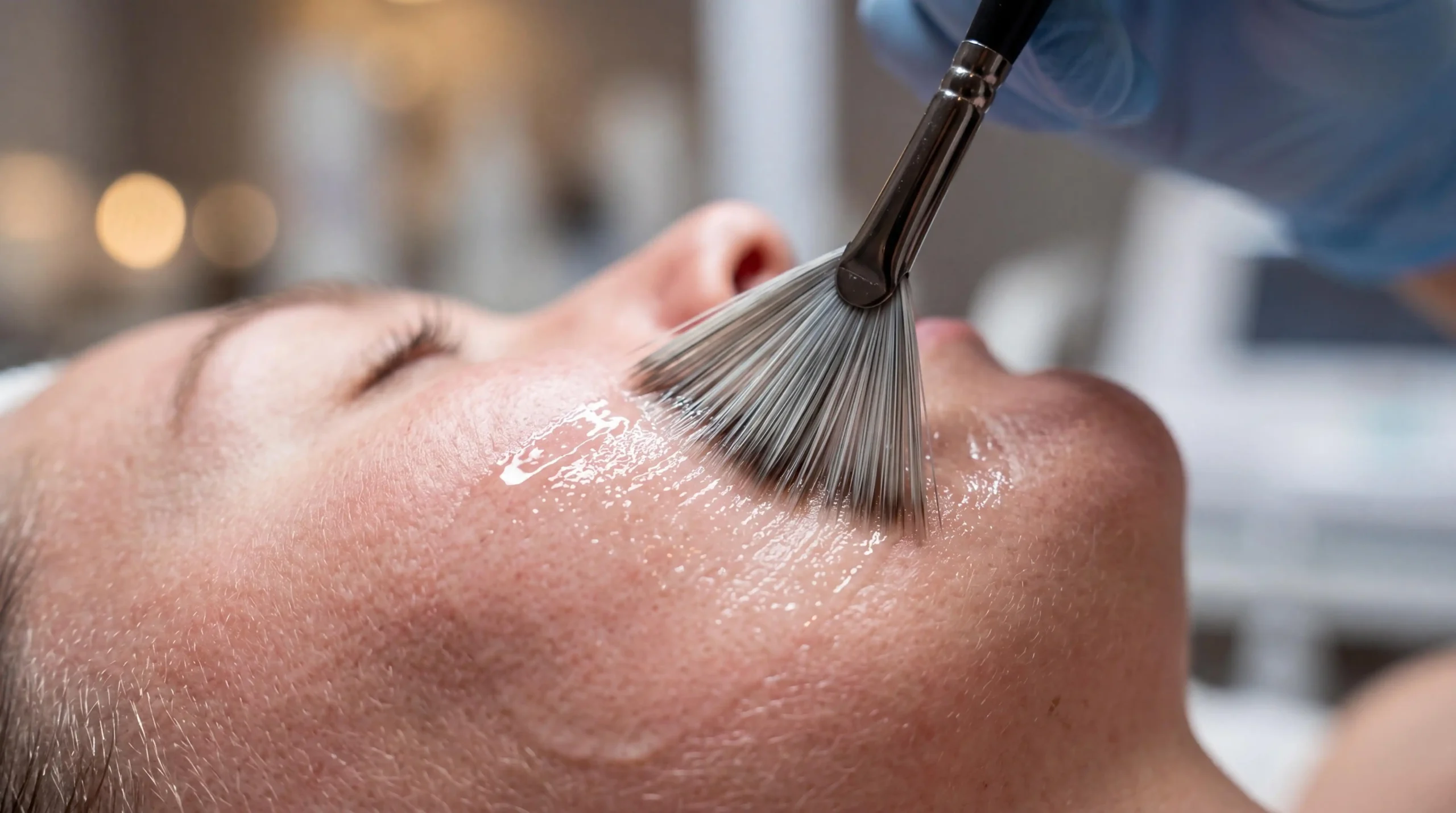
The good news is that facial volume loss doesn’t have to be permanent or untreatable. Dermal fillers for volume loss, made primarily from hyaluronic acid, replenish naturally lost volume and restore contour to the cheeks, temples, and other areas without surgery. Because hyaluronic acid is a substance the body already produces, results tend to look natural rather than overdone when the filler is placed correctly, which is key to restoring facial volume naturally.
At Kor Medspa, options like the RHA Collection, Revanesse, JUVÉDERM, and RADIESSE dermal fillers for volume loss restore volume while also supporting the skin’s own collagen and elastin production over time. Results are typically visible right away and can last anywhere from six months to two years, depending on the filler used and individual factors like metabolism and lifestyle.
Who Benefits Most From Addressing Facial Volume Loss
This isn’t limited to one age group. Some people start noticing early volume changes in their thirties, especially around the under-eye area, while others don’t see significant changes until their forties or fifties. Anyone who feels their reflection looks more tired, flatter, or older than they feel internally is often a good candidate for a conversation about restoring facial volume.
It’s also a good fit for people who prefer a non-surgical, minimally invasive approach and want results that develop gradually rather than an abrupt, dramatic change. If you’ve been unsure whether your concerns are worth addressing, a consultation is often the clearest way to understand what’s happening beneath the surface.
Ready to Restore What Time Has Taken
Facial volume loss is a normal part of aging, but that doesn’t mean you have to accept it without options. Understanding the causes of facial volume loss, from loss of collagen and elastin to sun exposure and hormonal changes, makes it easier to choose a treatment path that actually addresses what’s happening rather than just covering it up. Kor Medspa offers facial filler treatments in Reading, PA, designed to restore volume naturally while keeping results true to you.
Ready to restore your facial volume loss? Book your appointment today to discuss your specific concerns with an experienced injector. Our team at Kor Medspa is also available if you have questions before your visit; feel free to contact us anytime. Your face doesn’t have to look older than you feel. With the right approach, restoring that volume can be simpler than you think.