Skip to content


Table of Contents
Regenerative treatments have become one of the most searched categories in aesthetics, and most questions come back to the same question: which one fits me. At Kor Medspa, considering Exosomes therapy in Reading, PA bring up this question in nearly every skin and hair consultation, usually after reading two articles that said opposite things.
What is the difference between exosomes and PRP?
PRP uses growth factors concentrated from a sample of your own blood, while exosomes are lab-derived vesicles that carry cell signals and are not sourced from the patient. PRP has the longer clinical track record in aesthetics, and no exosome product currently holds FDA approval for skin or hair use.
PRP vs Exosomes: The Short Answer
The difference that drives everything else is sourcing. In the exosomes vs PRP comparison, PRP comes from you, drawn and processed during your appointment, while exosome products are manufactured in a lab from cultured cells.
Both have a place at Kor Medspa. PRP has the longer track record in aesthetic practice, which is why it anchors most of our skin and scalp protocols. Exosome products are not yet approved for aesthetic use in the United States, so our providers work them in as part of a wider plan, matched to your concern and your goals.
Which one suits you comes down to your skin or hair concern, your health history, and what your provider recommends after an assessment.
What PRP Actually Is and How It Works
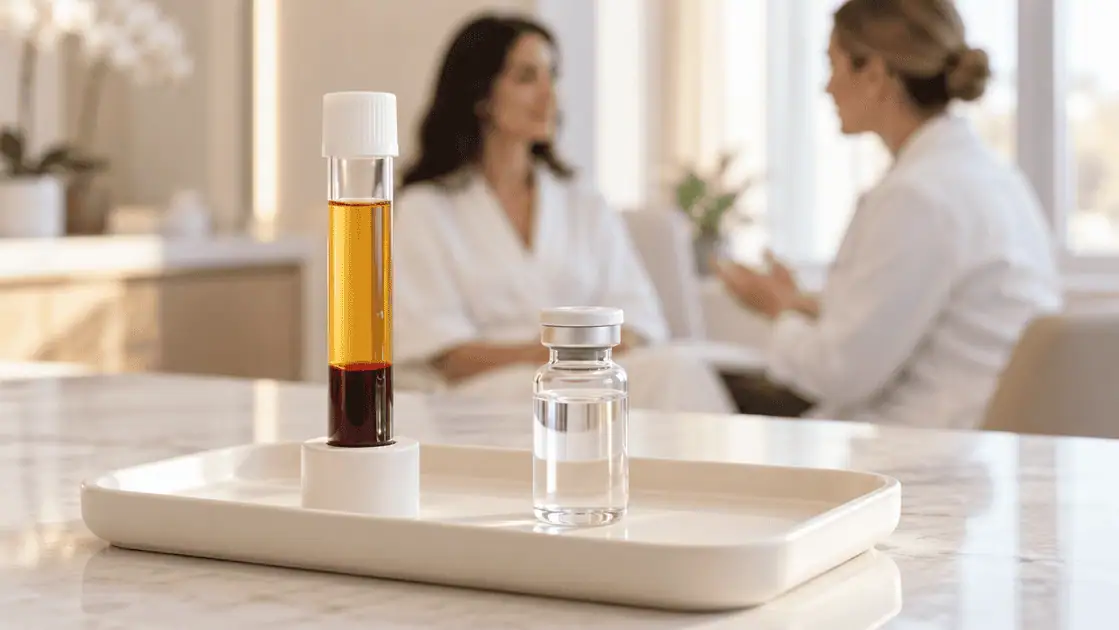
PRP, or platelet-rich plasma, starts with a small blood draw that is spun in a centrifuge to separate and concentrate the platelets. Those platelets carry growth factors that signal surrounding tissue to build collagen and elastin and support the environment around hair follicles.
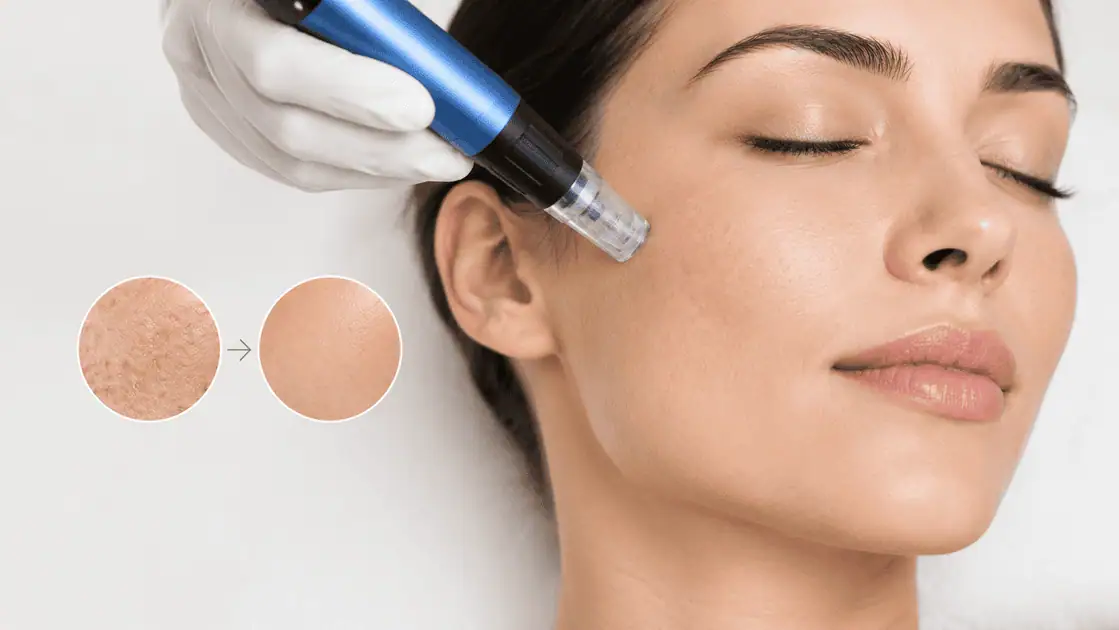
How that concentrate gets delivered depends on the concern. At Kor Medspa, we microneedle it into the face, neck, and décolleté for skin quality, inject it into areas where the goal is collagen support, or inject it superficially into the scalp for thinning hair.
PRF, platelet-rich fibrin, is worth knowing here too. In the PRF vs PRP question, PRF uses a slower spin and no anticoagulant, which preserves a fibrin matrix and releases growth factors more gradually. Providers often favor it for delicate areas such as under-eye hollows.
What Exosomes Are and Why They Are Different
Exosomes are extracellular vesicles, meaning tiny packages that cells release to carry proteins, lipids, and genetic material to other cells. In aesthetics, they are used as a signaling delivery system, applied during microneedling or injected, and usually paired with another treatment rather than used alone.
The regulatory status belongs right next to that explanation. No exosome product has FDA approval for any aesthetic or hair indication, and the agency considers marketed exosome products unapproved. This is not the same thing as off-label use, because off-label describes an approved product used outside its labeled indication, and here there is no approved product in the first place.
Anyone researching exosome therapy for skin or asking about exosome therapy in Reading, PA should treat that status as part of the decision, not a footnote.
PRP or Exosomes for Skin Concerns
For skin texture, fine lines, acne scarring, and general skin quality, PRP is the more established starting point among regenerative skin treatments. Researchers have studied it more extensively for aesthetic use, and its mechanism is easier to explain because the material comes from the patient.
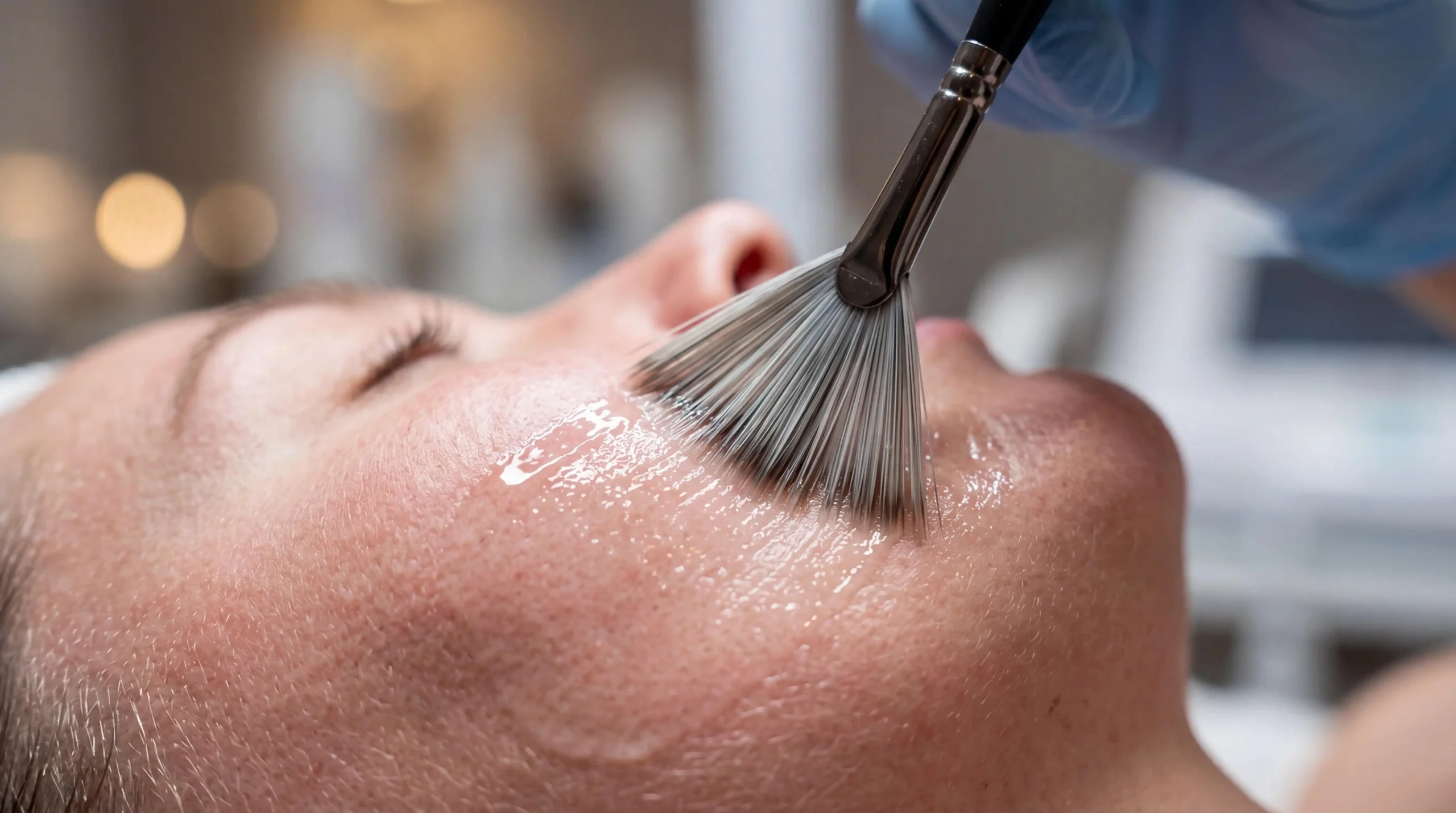
Exosomes are typically positioned as an add-on, most often layered into a microneedling session, which is where the term exosome facial comes from. The published evidence base is still developing, and reviews have noted inconsistent product characterization across studies.
PRP or Exosomes for Hair Thinning
For hair, PRP has more published research, particularly for early-stage androgenetic thinning, though scalp use remains off-label. Candidacy matters more here than for skin. Follicles that are miniaturizing but still active tend to respond, while areas that have been fully bald for years generally do not.
Interest in exosomes for hair loss has grown quickly. Still, the research is early, and the FDA has issued warning letters specifically tied to exosome marketing for hair restoration. Neither option is a one-time fix. Both are maintenance treatments and often sit alongside medical therapies, such as prescription options a provider may recommend.
Common Questions About PRP and Exosome Therapy
How long do results last? Most patients see improvement that lasts several months to about a year with maintenance, though this varies with age, health, and the concern being treated.
How many sessions will I need? Skin and scalp protocols typically start with a short initial series spaced several weeks apart, followed by periodic maintenance. Your provider sets the number after an assessment.
Does it hurt? Most patients tolerate these treatments well. Topical numbing is used for microneedling and scalp injections, and mild redness or tenderness for a day or two is typical.
Is one safer than the other? They have different risk profiles, not a simple ranking. PRP uses your own blood, so you don’t have product-sourcing questions, while exosome products are unapproved and have been linked to adverse event reports in FDA communications. Screening and informed consent apply to both.
Still Not Sure Which One Fits Your Skin or Your Hair?
Both options are worth understanding, and the right call depends on your concern, your health history, and how you feel about treatments that are still building their evidence base. Not sure whether PRP, PRF, or exosomes fit your goals? Book a consultation, and we’ll build a regenerative plan around you. Our team at Kor Medspa in Reading, PA, will walk you through what each option can realistically offer before you commit to anything.